Now viewing · School Education
How to Build Good Study Habits for Kids at Home
“Just sit down and study” rarely works, and most parents know it deep down, even while saying it for the hundredth time this week. Building genuine study habits for kids takes more structure and…
Curator's note
The central idea, before the full gallery walk begins.
“Just sit down and study” rarely works, and most parents know it deep down, even while saying it for the hundredth time this week. Building genuine study habits for kids takes more structure and patience than a single stern conversation — and honestly, it’s less about willpower than most people assume. I’ve noticed the households […]
- Read the summary first.
- Move through each numbered gallery.
- Verify official dates and rules before acting.
“Just sit down and study” rarely works, and most parents know it deep down, even while saying it for the hundredth time this week. Building genuine study habits for kids takes more structure and patience than a single stern conversation — and honestly, it’s less about willpower than most people assume.
I’ve noticed the households where kids study consistently aren’t the ones with the strictest rules — they’re the ones with the clearest, calmest routines.
What’s the Best Way to Build Study Habits for Kids?
The most effective study habits for kids come from consistent daily routines, a distraction-free dedicated study space, and breaking study time into short, focused blocks rather than long, exhausting sessions.
1. Create a Fixed Study Time
Kids thrive on predictability. A consistent daily slot — say, 5-6 PM every day — trains the brain to switch into “study mode” automatically, without the daily negotiation battle.
2. Set Up a Dedicated, Distraction-Free Space
It doesn’t need to be fancy — a corner table away from the TV works fine. What matters is that the space is used consistently only for studying, which builds a strong mental association over time.
3. Break Study Sessions Into Manageable Chunks
Young children especially struggle with long, unbroken study blocks. 20-25 minutes of focused work followed by a 5-10 minute break tends to work far better than a forced 90-minute session.
4. Remove Digital Distractions During Study Time
Phones and tablets nearby, even on silent, genuinely reduce focus. Picture a child trying to solve a math problem with notifications buzzing every few minutes — that constant low-level interruption adds up.
5. Involve Kids in Planning Their Own Schedule
Kids who help decide their own study timing (within reasonable limits) tend to stick to it more consistently than schedules imposed entirely from above. Give them some ownership.
6. Use Positive Reinforcement, Not Just Punishment
- Small, immediate rewards for consistency work better than distant, big incentives
- Praise effort and consistency, not just results or grades
- Avoid comparing your child’s habits to siblings or classmates — it tends to backfire
7. Model Good Habits Yourself
Kids notice more than parents realize. A household where parents are glued to phones while telling kids to focus sends a mixed message that undermines the whole effort.
8. Be Patient With Setbacks
Some days won’t go well, and that’s completely normal. Consistency over weeks and months matters far more than perfection on any single day.
When to Seek Additional Support
If a child consistently struggles despite a supportive routine — persistent difficulty focusing, unusual resistance, or signs of frustration beyond typical reluctance — it’s worth discussing with a teacher or, if needed, a learning specialist, since underlying learning differences sometimes go unnoticed at home.
[link to related guide about CBSE vs state board here]
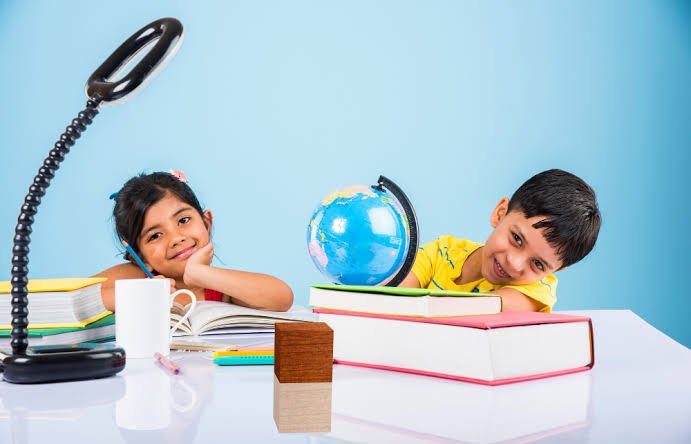
Suggested alt text: “Child studying at a organized home desk with parent nearby, 2026”
FAQ
Q1: At what age should structured study habits start? Around age 6-7, when formal schooling routines begin, though the structure should stay light and flexible at that stage.
Q2: How long should young children study without a break? Roughly 20-25 minutes for younger kids, gradually increasing as they get older and build stamina.
Q3: Should parents sit with their child while studying? For younger children, some supervision helps initially, but gradually encouraging independence builds better long-term study habits.
Q4: How do I motivate a child who resists studying? Small, consistent rewards, involving them in schedule planning, and understanding the root cause of resistance usually work better than pressure or punishment.
Q5: Does screen time before studying affect focus? Yes, noticeably — a short buffer period without screens before study time helps children settle into focused work more easily.
Conclusion
Solid study habits for kids don’t happen overnight, but small, consistent routines genuinely compound over time into real academic confidence. Start with just one change this week — a fixed study time or a distraction-free corner — rather than overhauling everything at once. Small shifts stick far better than big, sudden ones.
Final room · verification
Leave the gallery with a decision, not just an impression.
Official source
Confirm dates, eligibility, rules, fees and documents with the responsible authority.
Personal fit
Compare this guidance with your goals, preparation level, finances and practical limits.
Current cycle
Make sure every deadline, policy and requirement still applies to the present cycle.
Adjacent gallery
Continue through the same collection.
Three related exhibits selected from School Education.