Now viewing · Education
How AI Tools Are Changing Student Learning in 2026
Two years ago, a student asking a chatbot to explain photosynthesis felt like cheating. Now it’s just Tuesday. AI in education has moved from novelty to habit faster than almost any classroom technology before…
Curator's note
The central idea, before the full gallery walk begins.
Two years ago, a student asking a chatbot to explain photosynthesis felt like cheating. Now it’s just Tuesday. AI in education has moved from novelty to habit faster than almost any classroom technology before it, and teachers are still catching up. I’ll be honest — I have mixed feelings about this shift. It’s genuinely useful, […]
- Read the summary first.
- Move through each numbered gallery.
- Verify official dates and rules before acting.
Two years ago, a student asking a chatbot to explain photosynthesis felt like cheating. Now it’s just Tuesday. AI in education has moved from novelty to habit faster than almost any classroom technology before it, and teachers are still catching up.
I’ll be honest — I have mixed feelings about this shift. It’s genuinely useful, but it’s also changing how students think, sometimes for the worse.
What AI in Education Actually Looks Like Today
In short, AI in education now covers everything from personalized revision apps and instant doubt-solving chatbots to AI-generated practice tests and essay feedback tools — used by both students and teachers to save time and target weak areas faster.
This isn’t limited to elite schools either. Even Tier-2 city students with a basic smartphone are using free AI tools to clear doubts at 11 PM when no tutor is available.
1. Instant Doubt Solving
Gone are the days of waiting for the next school day to ask a teacher a question. Tools now explain a tricky physics concept in seconds, often with multiple examples until it clicks.
2. Personalized Study Plans
AI in education platforms can analyze a student’s weak chapters from past test scores and build a custom revision schedule — something a single teacher managing 40 students simply can’t do individually.
3. Essay and Writing Feedback
AI writing assistants now flag grammar, structure, and even argument weakness in essays. Useful for practice, though I’d argue students shouldn’t lean on it for final submissions — the risk of losing your own voice is real.
4. Language Learning Support
Apps using AI in education for language practice — pronunciation correction, conversational practice, vocabulary building — have made learning a new language far less intimidating for shy students.
5. Smarter Test Preparation
Adaptive testing tools adjust question difficulty in real time based on how a student performs, which mimics actual exam pressure better than static mock papers do.
6. Teacher Workload Reduction
Grading multiple-choice tests, generating worksheets, tracking attendance patterns — a lot of this administrative load is now automated, freeing teachers to actually teach rather than just manage paperwork.
The Risks Nobody Talks About Enough
Here’s where I disagree with the hype a bit. Over-reliance on AI is creating a generation that can produce answers without fully understanding them. Picture a Class 10 student who’s never actually struggled through a math problem because the app always hands over the solution steps — that struggle is often where real learning happens.
- Reduced critical thinking if used purely for answers
- Risk of plagiarism when AI-written content is submitted as original
- Data privacy concerns with student information on ed-tech platforms
- Widening gap between students with and without reliable internet access
How Schools Are Adapting
Some progressive schools in India have started teaching “AI literacy” — how to use these tools responsibly rather than banning them outright, which honestly feels like the smarter approach. Banning tech has never really worked long-term.
[link to related guide about online learning here]
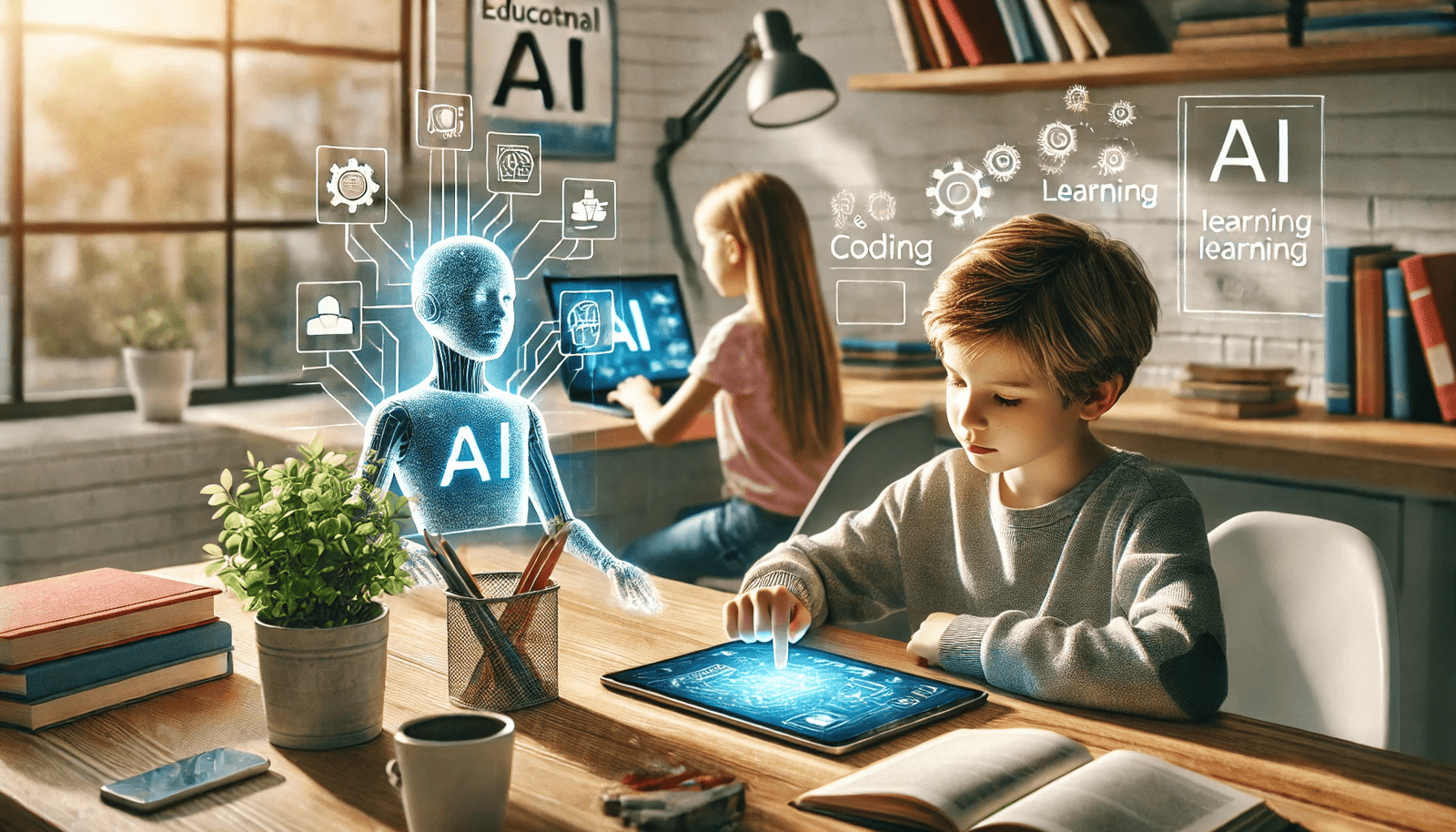
Suggested alt text: “Indian high school student using AI learning app on tablet, 2026 classroom”
FAQ
Q1: Is using AI tools for homework considered cheating? It depends on the school’s policy — using it to understand a concept is generally fine; submitting AI-written work as your own usually isn’t.
Q2: Which AI tools are commonly used by Indian students? Doubt-solving apps, AI tutoring chatbots, and adaptive test-prep platforms are among the most popular right now.
Q3: Can AI replace teachers? Not really — it’s better at repetitive tasks and instant answers, but mentorship, motivation, and emotional support still need a human.
Q4: Is AI in education expensive? Many basic tools are free or low-cost; premium personalized platforms can cost a few hundred to a few thousand rupees a month.
Q5: How can parents monitor AI tool usage responsibly? Simple check-ins about what the tool was used for, and encouraging kids to explain concepts back in their own words, work well.
Conclusion
AI in education isn’t going away, and honestly, fighting it is a losing battle. The real question for 2026 isn’t whether students should use it, but how well they learn to use it without losing their own thinking ability along the way. If you’re a student reading this, try using AI to check your understanding after you’ve attempted a problem yourself — not before.
Final room · verification
Leave the gallery with a decision, not just an impression.
Official source
Confirm dates, eligibility, rules, fees and documents with the responsible authority.
Personal fit
Compare this guidance with your goals, preparation level, finances and practical limits.
Current cycle
Make sure every deadline, policy and requirement still applies to the present cycle.
Adjacent gallery
Continue through the same collection.
Three related exhibits selected from Education.