Now viewing · Education
What Does the Reggio Emilia Approach Look Like in Everyday Preschool Learning?
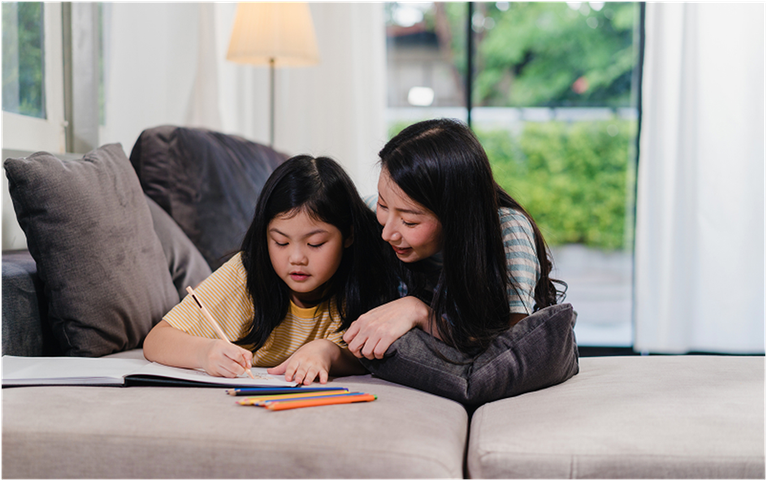
Walking into an early childhood learning space inspired by Italian educational philosophy feels strikingly different from entering a traditional classroom. Instead of bright plastic toys or rigid rows of desks, you encounter soft natural…
Curator's note
The central idea, before the full gallery walk begins.
Walking into an early childhood learning space inspired by Italian educational philosophy feels strikingly different from entering a traditional classroom. Instead of bright plastic toys or rigid rows of desks, you encounter soft natural lighting, open-ended materials, and vibrant displays of student artwork. Originating in Northern Italy after the Second World War, this child-centred methodology […]
- Read the summary first.
- Move through each numbered gallery.
- Verify official dates and rules before acting.
Walking into an early childhood learning space inspired by Italian educational philosophy feels strikingly different from entering a traditional classroom. Instead of bright plastic toys or rigid rows of desks, you encounter soft natural lighting, open-ended materials, and vibrant displays of student artwork. Originating in Northern Italy after the Second World War, this child-centred methodology views young learners as capable, resilient, and innately curious individuals. Understanding how a Reggio Emilia preschool operates in real life reveals how daily activities inspire deep intellectual curiosity, creative expression, and strong social connections.
The Environment as the Third Teacher: Designing Spaces for Discovery
In a Reggio-inspired setting, the physical environment plays an active role in guiding learning alongside parents and educators. Thoughtfully arranged classrooms invite spontaneous exploration and encourage children to interact independently with their surroundings.
| Classroom Element | Design Focus | Impact on Preschoolers |
| Natural Materials | Wood, stone, clay, leaves, and water | Stimulates sensory awareness and sparks open-ended play without fixed outcomes. |
| Piazza and Atelier | Central gathering hubs and art studios | Encourages collaborative community projects and multi-sensory artistic creation. |
| Mirrors and Light Tables | Transparent surfaces, light projectors, and mirrors | Invites children to experiment with shadow, reflection, symmetry, and perspective. |
| Accessible Documentation | Photos, transcripts, and artwork displayed at eye level | Helps children reflect on past learning and take pride in their intellectual journeys. |
Experiencing the Reggio Emilia approach through a carefully curated environment teaches children to respect their learning tools and make independent choices about their daily activities.
The Hundred Languages of Children: Expressing Ideas Beyond Words
Poet Loris Malaguzzi, the founder of this educational philosophy, famously wrote that children possess a hundred languages to express their thoughts, emotions, and discoveries. While traditional schooling focuses heavily on verbal and written language, this holistic approach values every form of creative communication equally.
Children express their understanding through drawing, sculpting, dramatic role-play, music, dance, shadow play, and building. If a group of preschoolers investigates how birds build nests, they might sculpt clay eggs, draw detailed diagrams of twigs, or choreograph a dance representing flight. By offering diverse creative mediums, educators ensure that every child finds their unique voice and builds lasting academic confidence.
Project-Based Inquiry: Letting Children Lead the Way
Forget rigid daily lesson plans dictated entirely by a textbook. Daily learning in a Reggio-inspired space revolves around long-term, child-led projects that emerge directly from the children’s spontaneous interests and questions.
When a child notices a caterpillar crawling across the playground, the educator does not simply hand over a factual insect book. Instead, the teacher prompts open-ended questions like “Where do you think it is going?” or “How does it move?” This single spark of interest can evolve into a weeks-long project exploring habitats, life cycles, and nature conservation. Attending a Reggio Emilia preschool allows young minds to drive their own research, test hypotheses, and collaborate with peers to uncover answers.
The Role of Documentation: Making Learning Visible
If you look closely at the classroom walls, you will not see generic, identical colouring sheets. Instead, you will find rich documentation panels featuring candid photos, transcribed quotes from children’s conversations, and detailed project iterations.
Educators act as researchers who observe, listen to, and document children in action. Displaying this documentation at eye level allows children to revisit their previous ideas, reflect on their problem-solving steps, and build upon past knowledge. For parents, this visible learning offers a transparent window into their child’s intellectual and social development, proving that meaningful play lays the groundwork for future academic success.
Integrating the principles of the Reggio Emilia approach into daily routines transforms preschool from a simple care service into a vibrant journey of self-discovery and creative growth.
Empowering Young Minds: The Lasting Impact of Reggio Emilia Learning
The Reggio Emilia philosophy creates an enriching educational environment where children feel valued, heard, and capable of driving their own learning. By nurturing natural curiosity, offering diverse creative outlets, and respecting the child’s voice, this approach builds confident, creative, and independent lifelong learners.
Frequently Asked Questions
Is the Reggio Emilia approach suitable for energetic or active children?
Yes, absolutely! The approach values physical movement, hands-on investigation, and multi-sensory exploration, allowing active children to thrive through interactive outdoor play and physical project work.
How does a Reggio-inspired curriculum prepare children for primary school?
It develops essential foundational skills, including critical thinking, collaborative problem-solving, emotional resilience, and communication. These core capabilities ensure children adapt smoothly to the academic demands of formal schooling.
Do teachers follow any structured curriculum in a Reggio Emilia classroom?
Teachers follow an emergent curriculum that responds directly to children’s questions and developmental needs while systematically integrating core literacy, numeracy, and scientific concepts into ongoing projects.
For an inspiring, inquiry-driven environment that can unlock your child’s full creative and academic potential, contact E-Bridge Pre-School today.
Final room · verification
Leave the gallery with a decision, not just an impression.
Official source
Confirm dates, eligibility, rules, fees and documents with the responsible authority.
Personal fit
Compare this guidance with your goals, preparation level, finances and practical limits.
Current cycle
Make sure every deadline, policy and requirement still applies to the present cycle.
Adjacent gallery
Continue through the same collection.
Three related exhibits selected from Education.