Now viewing · Education News
New National Education Policy Updates You Need to Know
The National Education Policy has been rolling out in phases since 2020, and honestly, keeping track of every NEP updates announcement feels like a part-time job in itself. Between school curriculum changes, higher education…
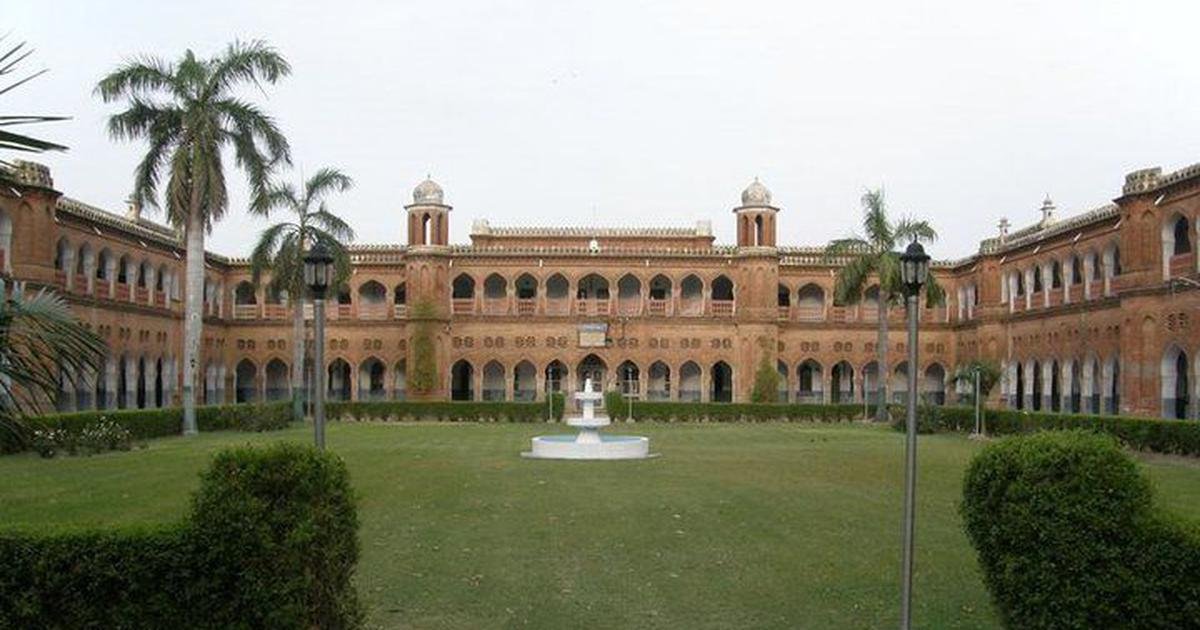
Curator's note
The central idea, before the full gallery walk begins.
The National Education Policy has been rolling out in phases since 2020, and honestly, keeping track of every NEP updates announcement feels like a part-time job in itself. Between school curriculum changes, higher education reforms, and language policy shifts, there’s a lot to untangle — so let’s break down what actually matters right now. I’ve […]
- Read the summary first.
- Move through each numbered gallery.
- Verify official dates and rules before acting.
The National Education Policy has been rolling out in phases since 2020, and honestly, keeping track of every NEP updates announcement feels like a part-time job in itself. Between school curriculum changes, higher education reforms, and language policy shifts, there’s a lot to untangle — so let’s break down what actually matters right now.
I’ve noticed a lot of parents and students still aren’t clear on which NEP changes are already active versus still being planned, which causes unnecessary confusion during admission season especially.
What Are the Key NEP Updates Right Now?
The most significant recent NEP updates center on the 4-year undergraduate degree structure becoming more widely implemented, continued rollout of the 5+3+3+4 school curriculum framework, and expanded vocational education integration starting from the middle school level.
1. Four-Year Undergraduate Degree Programs
Many universities have now transitioned to offering 4-year undergraduate options with research specialization in the final year, alongside the traditional 3-year degree — giving students more flexibility based on their career goals.
2. The 5+3+3+4 School Curriculum Structure
Replacing the older 10+2 system, this restructuring covers foundational (ages 3-8), preparatory (8-11), middle (11-14), and secondary (14-18) stages, with a stronger emphasis on foundational literacy and numeracy in the early years.
3. Vocational Education Integration
Starting from Class 6, students are now being introduced to vocational skills and internships as part of regular schooling — a significant shift from the old system where vocational training was seen as a separate, lower-status track.
4. Mother Tongue and Regional Language Emphasis
NEP strongly encourages instruction in the mother tongue or regional language, at least through Class 5, based on evidence that foundational learning is more effective in a child’s first language.
5. Multidisciplinary Higher Education
Picture a student pursuing a degree who can now combine subjects like physics and music, or economics and psychology, rather than being locked into a single rigid stream — this flexibility is a core NEP goal actively being implemented across universities.
6. Changes to Teacher Education and Training
New minimum qualification requirements and integrated teacher education programs are being phased in, aimed at improving overall teaching quality across both school and higher education levels.
7. Increased Focus on Digital and Online Education
NEP explicitly supports expanding online and digital learning infrastructure, particularly to improve access in rural and underserved areas — tying into some of the broader push around online learning platforms nationally.
What These Changes Mean for Students and Parents
- Check whether your specific school or university has implemented these changes yet, since rollout timelines vary significantly by state and institution
- Consider the flexibility benefits of the 4-year degree structure if you’re planning to pursue research or a specialized master’s later
- For younger children, ask schools about their specific approach to foundational literacy under the new framework
- Stay aware that vocational exposure starting earlier doesn’t reduce academic rigor — it’s designed to complement it
[link to related guide about UGC guidelines here]
Suggested alt text: “Student and parent reviewing National Education Policy changes, 2026”
FAQ
Q1: Is the 4-year undergraduate degree mandatory now? Not universally mandatory yet — many universities offer both 3-year and 4-year options, so check your specific institution’s current structure.
Q2: How does the 5+3+3+4 structure differ from the old system? It replaces the rigid 10+2 structure with a more developmentally-aligned framework, emphasizing foundational learning and gradual skill-building rather than a hard split at Class 10.
Q3: Will vocational education reduce time for academic subjects? It’s designed to integrate alongside academics, not replace core subject learning, though implementation varies by school.
Q4: Are all Indian states implementing NEP updates at the same pace? No, implementation timelines vary significantly by state and individual institution, so it’s worth checking locally for specific status.
Q5: How does NEP affect students already partway through their degree? Most universities have transition provisions in place, so existing students generally aren’t disrupted mid-program — check with your specific institution for exact details.
Conclusion
The ongoing NEP updates represent one of the most significant shifts in Indian education in decades, and staying informed genuinely helps students and parents make better decisions around admissions and academic planning. Check your specific school or university’s current implementation status this admission season, rather than assuming every change is already fully in effect everywhere.
Final room · verification
Leave the gallery with a decision, not just an impression.
Official source
Confirm dates, eligibility, rules, fees and documents with the responsible authority.
Personal fit
Compare this guidance with your goals, preparation level, finances and practical limits.
Current cycle
Make sure every deadline, policy and requirement still applies to the present cycle.
Adjacent gallery
Continue through the same collection.
Three related exhibits selected from Education News.