Now viewing · Education News
What to Expect From a Diagnostic Radiography Degree
Diagnostic imaging supports healthcare professionals in investigating symptoms, assessing injuries and monitoring certain conditions. The work combines technical knowledge with patient communication, safety awareness and careful attention to procedures. Students considering the degree Bachelor…
Curator's note
The central idea, before the full gallery walk begins.
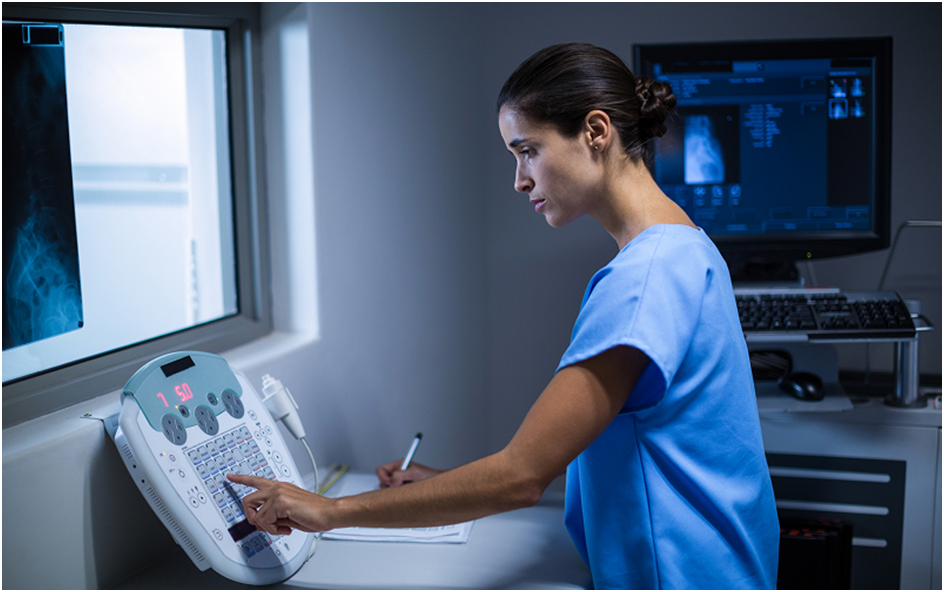
Diagnostic imaging supports healthcare professionals in investigating symptoms, assessing injuries and monitoring certain conditions. The work combines technical knowledge with patient communication, safety awareness and careful attention to procedures. Students considering the degree Bachelor of Science in Diagnostic Radiography should understand that the course involves more than learning how to operate imaging equipment. It typically […]
- Read the summary first.
- Move through each numbered gallery.
- Verify official dates and rules before acting.
Diagnostic imaging supports healthcare professionals in investigating symptoms, assessing injuries and monitoring certain conditions. The work combines technical knowledge with patient communication, safety awareness and careful attention to procedures. Students considering the degree Bachelor of Science in Diagnostic Radiography should understand that the course involves more than learning how to operate imaging equipment. It typically requires scientific study, practical skill development and supervised experience, with exact requirements depending on the programme.
Begin With Scientific and Academic Foundations
Early study may establish the scientific knowledge needed to understand medical imaging and the human body. Depending on the curriculum, students may encounter anatomy, physiology, imaging principles, radiation science and related healthcare subjects. These foundations help learners understand what an image shows, how it is produced and why different examination methods serve different purposes.
Anatomy and physiology can require detailed study because students need to understand body structures and how they relate to clinical examinations. Imaging principles may introduce the physical processes involved in producing diagnostic images, while other subjects may cover equipment operation and image quality.
The workload can include lectures, reading, written assignments and assessments that test both knowledge and application. Students should be prepared to learn scientific terminology and connect theoretical concepts to clinical situations. Memorising definitions alone may not be enough when assessments require learners to explain procedures or recognise why a particular approach is appropriate.
Prospective students should review the course structure and ask what academic background is expected. Requirements may include particular prior subjects or qualifications, but these vary by institution. Check the current admissions information rather than assuming that all programmes have identical entry criteria.
Develop Knowledge of Imaging Methods
A Bachelor of Science in Diagnostic Radiography may cover different imaging modalities and their clinical applications. The exact range depends on the programme, but students generally need to understand how imaging methods work, what information they can provide and how examinations are conducted safely.
Learning includes more than recognising equipment. Students may need to understand positioning, image quality, examination protocols and the factors that affect whether an image is useful for clinical interpretation. Technical decisions must be made within the student’s level of training and the procedures established by the clinical setting.
Image quality is important because an examination should produce information suitable for its intended purpose while following applicable safety principles. Students learn to pay attention to positioning, movement, equipment settings and other factors that can affect the resulting image. They also need to understand that imaging choices depend on clinical requirements and professional guidance.
Ask prospective institutions how these subjects are taught and assessed. Simulation, laboratory practice, demonstrations and supervised clinical learning may each play a role, depending on the programme. Find out how students progress from introductory concepts to more demanding practical tasks.
Study Journey Breakdown
The stages below describe a general learning progression. The sequence, module names and placement arrangements differ between institutions, so use the programme’s official curriculum for exact details.
| Study stage | Main learning focus | What students may need to demonstrate |
| Scientific foundations | Anatomy, physiology and imaging principles | Understanding of core concepts and terminology |
| Imaging knowledge | Equipment, examination methods and image quality | Ability to explain procedures and technical considerations |
| Practical preparation | Positioning, communication and safety procedures | Consistent performance during supervised practice |
| Clinical learning | Applying knowledge in an approved healthcare setting | Professional conduct and appropriate supervised skills |
| Consolidation and assessment | Integrating theory with practice | Evidence of competence against programme requirements |
This breakdown is intended to help applicants understand the kinds of learning involved, not to describe the exact sequence of any specific degree.
Prepare for Patient Interaction and Professional Conduct
Radiographers work with patients who may feel anxious, experience pain or have difficulty following instructions. Communication is therefore an important part of the role. Students need to learn how to explain procedures clearly, check understanding and treat people respectfully.
Patient interaction can involve confirming relevant information, helping a person prepare for an examination and supporting safe positioning. The appropriate approach depends on the examination and the patient’s circumstances. Students must work within their training and follow the instructions of supervising professionals.
Professional conduct also includes confidentiality, accurate documentation, punctuality and respect for different needs. Patients may have mobility limitations, language barriers or concerns about an examination. Learning to recognise these circumstances helps students understand why technical competence must be accompanied by careful communication.
Ask how the programme develops these skills. Communication exercises, simulated scenarios and supervised placements may offer opportunities to practise, although the exact format varies. Students should also understand how their performance is assessed and what support is available if they need to improve.
Understand Clinical Placements and Assessment
Clinical experience can be a significant part of radiography education. Placements allow students to observe professional practice and develop skills under appropriate supervision. They may encounter different patient groups, examination workflows and healthcare team responsibilities, depending on the placement arrangements.
A clinical placement is not simply an opportunity to watch procedures. Students may have defined learning objectives and must demonstrate appropriate conduct, preparation and practical development. They should follow local protocols, seek guidance when uncertain and avoid undertaking tasks beyond their permitted level of competence.
Placement schedules can affect daily life. Travel to clinical sites, early starts, changing shifts and assessment requirements may create demands that differ from classroom study. Prospective students should ask how placements are arranged, whether locations vary and what attendance requirements apply.
Assessment may include written examinations, practical evaluations, assignments and clinical competency reviews. Find out how the programme handles unsuccessful assessments, missed placement time and opportunities for additional support. Understanding these policies before enrolment can help you prepare for the demands of the course.
Check Professional Requirements and Career Pathways
Completing a degree does not automatically mean that every graduate can practise in every jurisdiction. Professional recognition, registration and employment requirements depend on the relevant regulatory framework and the qualification awarded. Students should verify these details before accepting an offer, particularly if they plan to work outside the country where they study.
Ask the institution which professional requirements the programme is designed to meet and what steps graduates must complete before entering practice. Confirm whether clinical hours, competency assessments or other conditions form part of the pathway. Seek current information from the relevant professional or regulatory body when necessary.
It is also worth exploring the working environment. Diagnostic radiography involves technical procedures, direct patient contact and adherence to safety protocols. Work settings and responsibilities can vary, so speak with knowledgeable professionals or review reliable career information to understand the demands involved.
Decide Whether the Study Commitment Suits You
Before applying, compare admission criteria, course duration, tuition, clinical placement arrangements and the qualification awarded. Consider whether you are prepared for scientific study, practical assessments and the responsibility of working with patients under supervision. Ask about support services and the resources available to students.
A realistic understanding of the degree Bachelor of Science in Diagnostic Radiography helps you decide whether the subject aligns with your interests and circumstances. It also gives you better questions to ask during admissions discussions. Contact PSB Academy to discuss programme information, entry requirements and the study commitments associated with diagnostic radiography education
Final room · verification
Leave the gallery with a decision, not just an impression.
Official source
Confirm dates, eligibility, rules, fees and documents with the responsible authority.
Personal fit
Compare this guidance with your goals, preparation level, finances and practical limits.
Current cycle
Make sure every deadline, policy and requirement still applies to the present cycle.
Adjacent gallery
Continue through the same collection.
Three related exhibits selected from Education News.